A Comprehensive Overview to Dog Training: Advice for each Dog Proprietor
Effective dog training is vital for cultivating a healthy and balanced partnership between proprietor and family pet (30A Dog Training). Recognizing canine actions can greatly enhance communication. Fundamental commands give a structure for safety and obedience. Positive reinforcement encourages desirable actions, while dealing with behavioral problems is crucial to an unified house. With the right techniques, any owner can strengthen their bond with their dog. However, the journey of training is more nuanced than it appears. What lies in advance might stun lots of proprietors
Recognizing Your Dog's Actions
Understanding a dog's behavior is vital for efficient training and fostering a strong bond in between the animal and proprietor. Pets communicate through body movement, articulations, and activities, which can expose their moods and needs. A wagging tail might show enjoyment, while pinned ears might recommend anxiety or submission. Recognizing these signals allows owners to react suitably, developing a trusting partnership. Furthermore, understanding the factors behind specific behaviors, such as excavating or barking, can assist proprietors attend to prospective issues proactively. Socializing also plays a vital function; exposing pets to various other animals and numerous atmospheres can influence their habits positively. Eventually, being attuned to a dog's actions enhances the training procedure and deepens the link between the dog and its proprietor.
Basic Commands Every Dog Must Know
Training a dog to comply with basic commands is an essential aspect of accountable pet ownership that straight influences a dog's habits and the proprietor's capability to interact efficiently. Essential commands include "rest," "stay," "come," "down," and "leave it." These commands establish limits and boost safety in numerous scenarios. "Sit" and "down" promote peace, while "stay" assists maintain the dog in area, ensuring it does not roam right into danger. "Come" is important for recall, especially in open locations. "leave it" shows pets to disregard disturbances or possibly hazardous products. Grasping these commands not just enhances the bond between dog and proprietor yet likewise adds to a mannerly family pet that can navigate different atmospheres with self-confidence.
Favorable Support Strategies
Positive reinforcement methods properly urge wanted actions in pets by rewarding them for conformity. This approach entails offering benefits such as treats, appreciation, or playtime right away after a dog does a preferred action. Timing is vital; benefits have to be given promptly to develop a clear organization in between the benefit and the behavior. Consistency is additionally vital; making use of the exact same commands and benefits helps reinforce learning. Progressively, proprietors can eliminate treats, counting more on spoken appreciation or affection as the dog becomes familiar with the habits. This method fosters a favorable connection between the dog and proprietor, making training a joint procedure. Inevitably, positive support not only teaches commands however also constructs trust and urges a satisfied, well-adjusted animal.
Addressing Usual Behavioral Issues
Addressing usual behavioral concerns in pet dogs requires an eager monitoring of their actions and triggers. Lots of owners face difficulties such as too much barking, chewing, or aggressiveness. Recognizing the source is essential; for circumstances, barking may originate from monotony or anxiousness. Carrying out regular training regimens can help reduce these actions. Positive support techniques, such as fulfilling wanted actions, encourage pets to adopt better suited actions. Furthermore, providing mental stimulation with toys or interactive games can relieve devastating propensities. Socialization is one more crucial element; revealing dogs to different settings and various other pets can minimize fear-based aggression. Eventually, persistence and perseverance are type in guiding pets toward better actions, cultivating an unified living environment for both pet dogs and Go Here their proprietors.
Developing a Strong Bond Through Educating
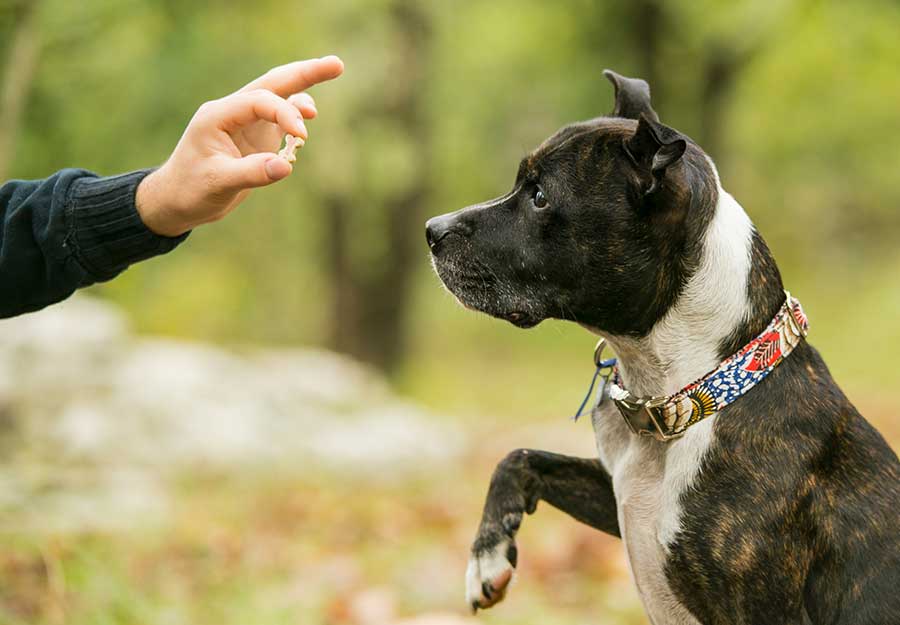
While numerous dog proprietors browse this site concentrate on dealing with behavior concerns, they may forget the value of constructing a solid bond with training. Establishing count on and interaction is necessary for an effective connection in between a dog and its owner. Constant training sessions not just teach commands however additionally reinforce the connection in between them. Favorable reinforcement strategies, such as treats and praise, motivate dogs to engage and respond, strengthening their bond. Taking part in tasks like agility training or obedience courses can also improve shared pleasure and understanding. In addition, spending top quality time together during training cultivates commitment and reduces anxiousness. Ultimately, a strong bond formed through training results in a well-behaved dog and a satisfied proprietor, creating a harmonious living atmosphere.
Frequently Asked Questions
For how long Does It Require To Train a Dog?
Educating a dog generally takes numerous weeks to months, relying on the dog's age, type, and the intricacy of the commands. Obedience Training Freeport Florida. Uniformity, persistence, and favorable support play vital functions in the training process
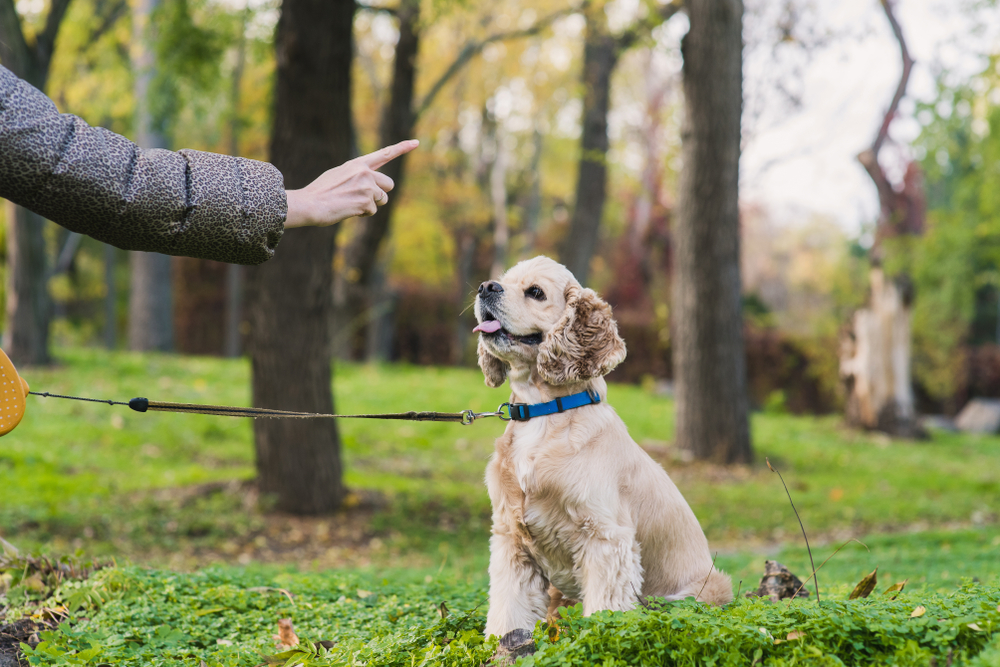
Can Older Pets Learn New Techniques?
What Should I Do if My Dog Declines to Comply With?
If a dog declines to obey, the proprietor should remain calm, assess potential distractions, and enhance commands with positive support. Uniformity in training and patience are necessary to rebuild the dog's determination to react.
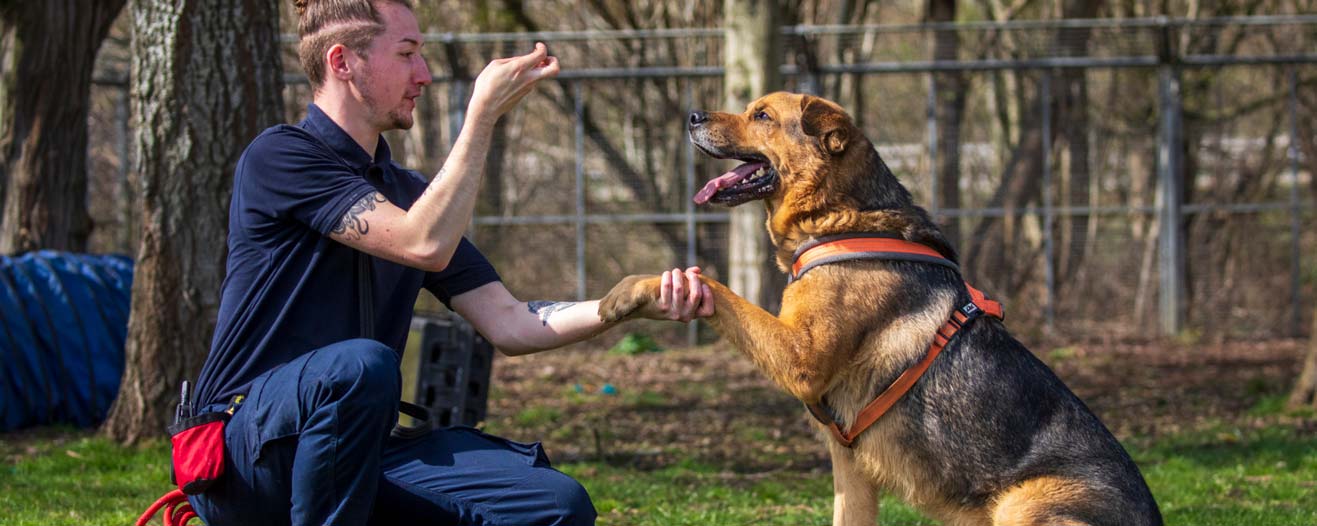
Is Group Training Better Than Individual Sessions?
Exactly How Can I Mingle My Dog Successfully?
To socialize a dog effectively, slowly expose it to different atmospheres, people, and other canines. Use favorable reinforcement to urge calm habits, guaranteeing experiences are safe and pleasurable to develop confidence and reduce anxiousness.
Reliable dog training is crucial for promoting a healthy partnership in between proprietor and animal. Understanding a dog's behavior is necessary for efficient training and cultivating a strong bond in between the animal and owner. Educating a dog to adhere to fundamental commands is an essential element of liable animal possession that directly influences a dog's behavior and the owner's capacity to connect successfully. Training a dog normally takes several weeks to months, depending on the dog's age, type, and the intricacy of the commands. To interact socially a dog properly, gradually subject it to numerous environments, individuals, and various other dogs.